
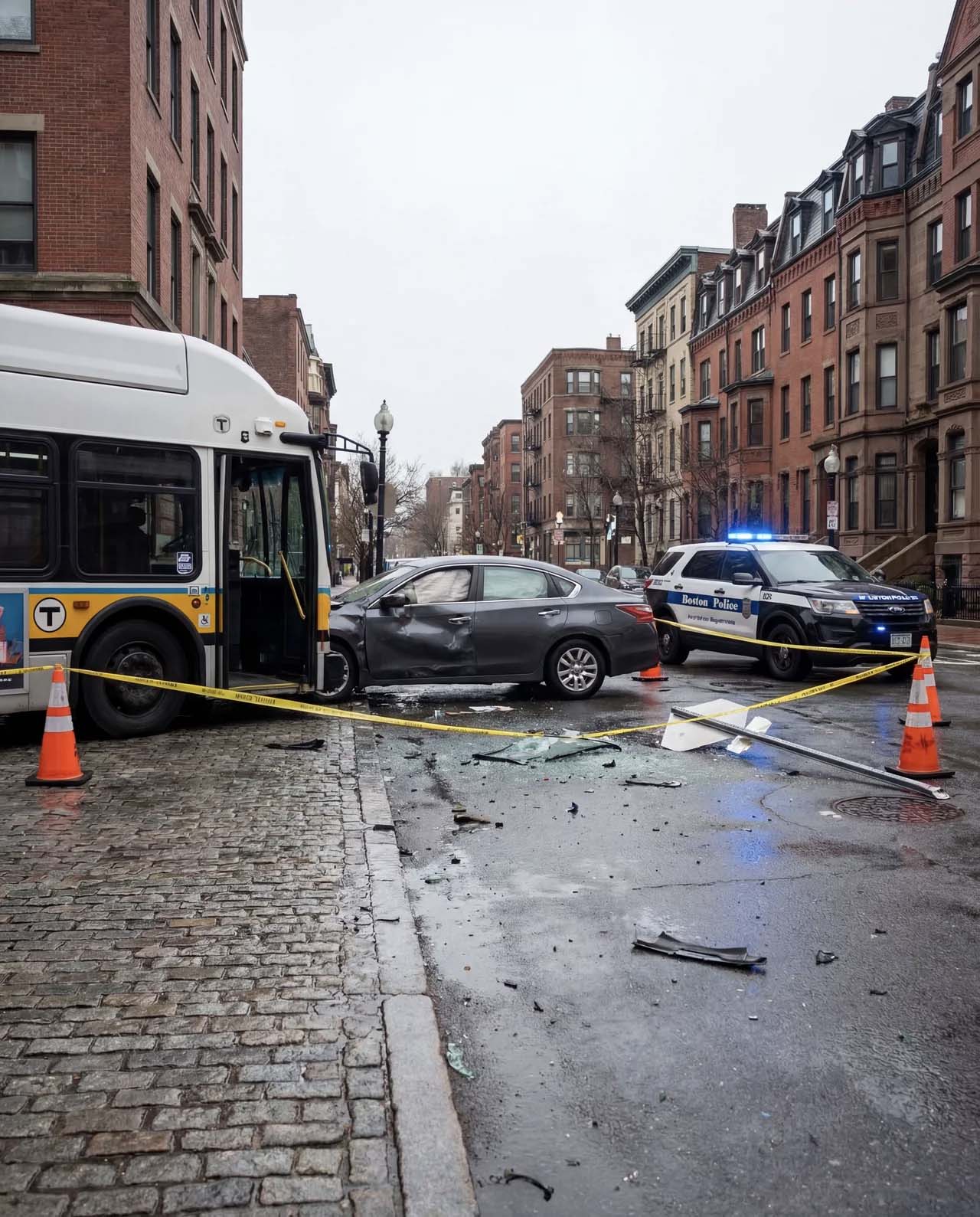
When a bus accident happens, the consequences can be devastating. Whether you were a passenger on an MBTA bus, a motorist struck by a charter bus, a pedestrian hit at a bus stop, or a child injured on a school bus, you deserve justice and full compensation for your injuries. Bus accidents often result in multiple victims, catastrophic injuries, and complex legal challenges that require experienced representation.
At Foglia & Associates, our bus accident lawyers have spent over 25 years fighting for victims throughout Massachusetts. We understand the unique complexities of bus accident cases, from navigating governmental immunity with MBTA claims to holding private charter companies accountable. Our team includes former Middlesex County prosecutor Attorney Radu Brestyan, giving us valuable insight into how these cases are investigated and prosecuted.
We handle every type of bus accident case on a contingency fee basis, you pay nothing unless we win.
If you or a loved one has been injured in a bus accident, time is critical. Evidence disappears quickly, and Massachusetts imposes strict deadlines for claims against public transportation authorities.

Most Common Causes of Bus Accidents in Massachusetts
Bus accidents don’t just happen, they’re caused by specific failures in driver behavior, vehicle maintenance, company oversight, or infrastructure design. Understanding what causes bus accidents is crucial to holding the right parties accountable and preventing future tragedies.
- Driver Negligence and Error
The bus driver is the first line of safety, and when drivers make mistakes or engage in negligent behavior, the consequences affect everyone on board and everyone sharing the road. Common forms of driver negligence include:
Distracted Driving: Despite strict regulations against cellphone use, texting while driving remains a persistent problem. Distracted driving was estimated to be involved in more than 289,000 traffic fatalities in a single year (NHTSA). Distracted driving also includes eating, drinking, adjusting controls, interacting with passengers, or simply daydreaming during long routes.
Driver Fatigue and Overwork: Federal regulations limit how long bus drivers can operate without rest, but violations occur regularly. Tired drivers have slower reaction times, make poor decisions, and can even fall asleep at the wheel.
Speeding and Aggressive Driving: Pressure to maintain schedules can lead drivers to speed, especially on highway routes. Large buses require significantly longer stopping distances than passenger cars, making speeding particularly dangerous.
Impaired Driving: While rare, incidents of intoxicated bus drivers do occur. 37% of fatal bus crashes involved alcohol (NHTSA). Drug use, prescription medication side effects, and alcohol consumption all impair driver ability.
Failure to Check Blind Spots: Buses have massive blind spots around all sides of the vehicle. Drivers who fail to properly check mirrors before changing lanes, turning, or pulling away from stops can strike vehicles, cyclists, or pedestrians they never saw.
Improper Turning: Left-turn crashes are particularly common with buses. The wide turning radius required means buses often swing into adjacent lanes or cut corners, striking vehicles, pedestrians, or cyclists.
Failure to Yield: Bus drivers sometimes assume their size gives them right-of-way. Running red lights, failing to yield at intersections, and not stopping for pedestrians in crosswalks can all lead to serious accidents.
- Vehicle Maintenance Failures
Buses require rigorous maintenance schedules due to their heavy use and large size. When bus companies or public agencies fail to properly maintain their fleets, mechanical failures can cause devastating crashes:
Brake Failures: Tire Blowouts: Steering and Suspension Problems: Defective Equipment:
- Road and Infrastructure Issues
Massachusetts roads present unique challenges for bus operations. Potholes, uneven pavement, crumbling infrastructure, and inadequate road maintenance can cause buses to lose control or strike passengers during sudden jolts. The state has responsibility for maintaining safe roadways, and failures can create municipal liability.
- Company Negligence
Bus companies and transportation authorities bear responsibility for the overall safety of their operations. Drivers need comprehensive training on vehicle operation, defensive driving, emergency procedures, and passenger safety. Companies that cut corners on training put everyone at risk.
- Passenger-Related Incidents
While less common, accidents can also involve passenger behavior:
Assaults on Drivers, Unsafe Boarding and Alighting, Defective Buses and Equipment, Design Defects, Manufacturing Defects:
Understanding the cause of your bus accident is essential to identifying all liable parties and building a strong case for compensation. Many bus accidents involve multiple causes and multiple responsible parties, which is why thorough investigation by experienced attorneys is crucial.