
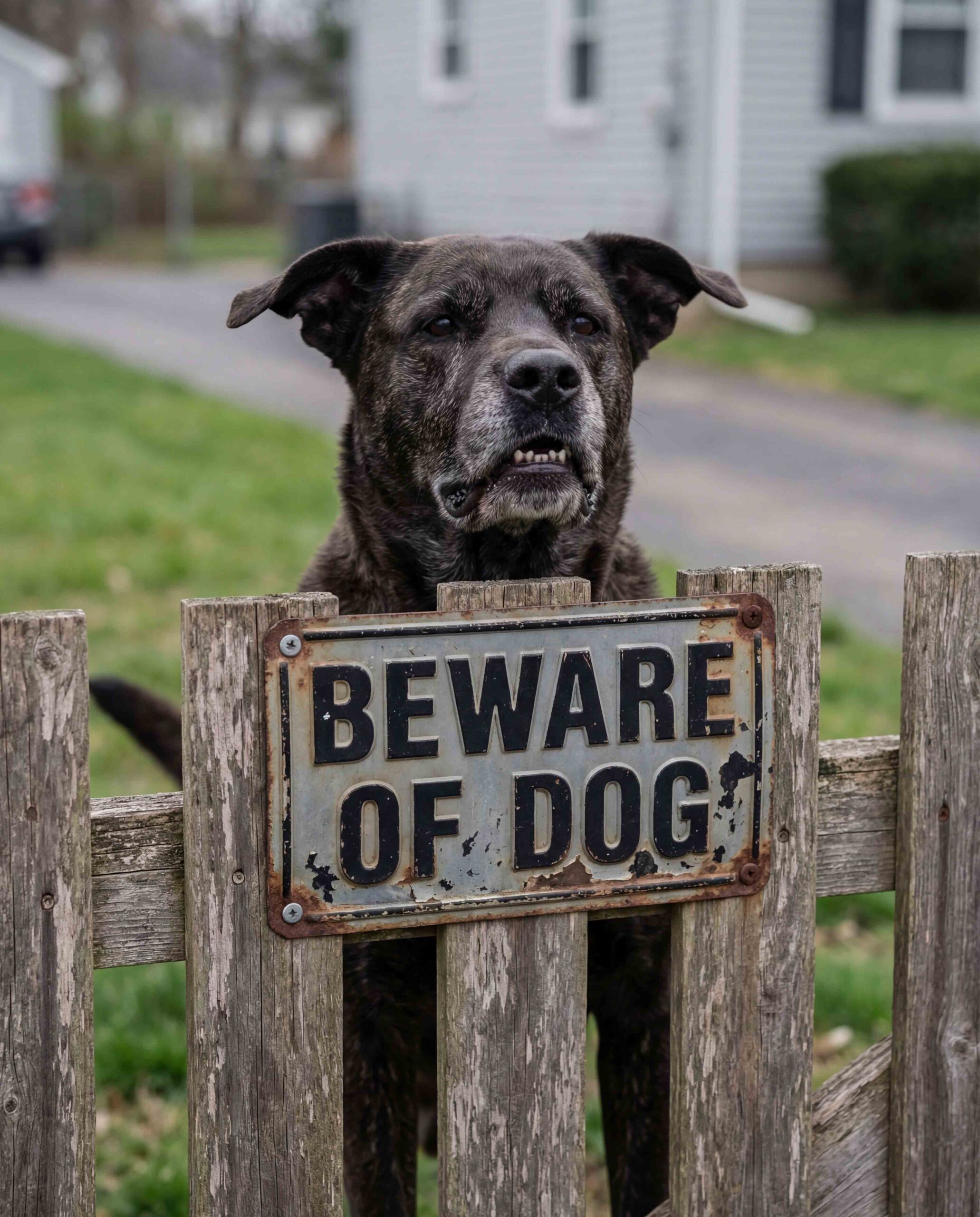
A dog attack can leave you with devastating physical injuries, permanent scarring, and psychological trauma that lasts a lifetime. In Massachusetts, an estimated 6,300 dog bite injuries require medical attention every year, with children suffering the most severe consequences. When 73% of children under age 4 who are bitten sustain head, face, or neck injuries, the stakes couldn’t be higher for your family’s safety and financial security.
Massachusetts law is on your side. Under M.G.L. c. 140, § 155, dog owners are strictly liable for injuries their animals cause, regardless of whether the dog has ever bitten anyone before. You don’t need to prove the owner knew their dog was dangerous. You simply need to prove you were bitten and that you weren’t trespassing or provoking the animal. For children under 7, the law presumes they did nothing wrong, placing the burden on the dog owner to prove otherwise.
With average dog bite settlements reaching $69,272 nationally, and some Massachusetts cases settling for hundreds of thousands of dollars, having experienced legal representation isn’t optional, it’s essential. Don’t let an insurance company minimize your claim or pressure you into accepting less than you deserve.
Most Common Causes of Dog Bites in Massachusetts
Understanding what triggers dog attacks is essential to establishing liability and holding responsible parties accountable. Most dog bites stem from preventable factors related to irresponsible ownership, inadequate training, poor supervision, or environmental stressors.
Owner Negligence and Irresponsible Ownership
The primary cause of dog bites is owner negligence. Dog owners who fail to properly train, socialize, or supervise their animals create dangerous conditions that put others at risk. Common forms of owner negligence include:
Failure to properly socialize dogs, Inadequate training, Poor supervision, Failure to restrain aggressive dogs, Teaching aggressive games
Dogs that haven’t been properly trained or socialized are significantly more likely to bite. Scientific studies have determined that the leading causes of fatal dog attacks stem from preventable factors such as irresponsible ownership, neglect or abuse, failure to neuter dogs, and inadequate supervision of large or strong dogs around infants and children.
Approximately 87% of fatal dog attacks involve dogs that weren’t neutered. Intact male dogs are associated with higher rates of aggression and are more likely to roam, fight with other dogs, and exhibit territorial behavior.
Breed-Specific Considerations
While controlled scientific studies have not identified any specific breed as disproportionately dangerous, and breed does not determine aggression, certain physical characteristics do affect the severity of injuries when bites occur. Larger dogs with more powerful jaws cause more devastating injuries than smaller breeds simply due to physics.
It’s important to note that Massachusetts law prohibits breed-specific legislation, municipal and county governments cannot make laws banning or labeling dogs as dangerous based solely on their breed. However, the truth remains that large dogs can cause more damage regardless of their breed.
Violations of Leash Laws and Containment Requirements
Massachusetts law and local ordinances require that dogs be under “restraint and control.” When owners allow dogs to roam freely, fail to secure fencing, or don’t use leashes in public areas, they violate these requirements and create liability when their dogs attack others.

What to Do Immediately After a Dog Bite
The actions you take in the hours and days following a dog attack can significantly impact both your recovery and your legal claim. Follow these steps to protect your health and preserve your rights:
1. Seek Immediate Medical Treatment
Your health and safety are the top priority. Even if the bite seems minor, seek immediate medical attention. Many serious complications, including infections, nerve damage, and rabies, may not be apparent initially.
Healthcare providers in Massachusetts are required by state law to report all dog bites to the local animal inspector within 24 hours. The dog must be quarantined for 10 days to check for rabies, regardless of its current vaccination status.
2. Report the Attack to Police
Call 911 immediately after a dog attack, even if you don’t require an ambulance. A police report creates an official record of the incident and can be crucial evidence in your claim.
Report to animal control: In addition to police, report the bite to your local animal control office. Boston residents should call Boston Animal Control at 617-635-5348. This report ensures the dog is quarantined and assessed for rabies risk.
3. Document Everything
Comprehensive documentation strengthens your claim and helps prove the extent of your injuries and losses.
Photograph injuries:
Photograph the scene:
Preserve evidence:
4. Gather Witness Information
Eyewitness testimony can be crucial in proving what happened and defeating insurance company defenses.
5. Obtain Dog Owner and Insurance Information
Identifying the dog’s owner and their insurance coverage is essential to pursuing your claim.
6. Do NOT Admit Fault or Apologize
Do not say anything that could be interpreted as accepting responsibility for the attack. Insurance companies will use any statement you make against you.
7. Do NOT Give Recorded Statements to Insurance Companies
The dog owner’s insurance company will contact you quickly, often within 24-48 hours. They’ll seem friendly and concerned, but their goal is to get you to say something that damages your claim or to trick you into accepting a lowball settlement.
8. Contact an Attorney Immediately
Time is critical in dog bite cases. The sooner you involve an experienced attorney, the better your chances of securing maximum compensation.
At Foglia & Associates, we provide consultations to evaluate your case. We’ll review the circumstances of the attack, assess the strength of your claim, explain your legal rights and options, and answer all your questions.
9. Keep Detailed Records
Maintain comprehensive documentation of all losses related to the dog bite:
Medical documentation, Financial records, Personal journal.
10. Continue All Recommended Treatment
Follow through with all medical treatment your doctors recommend. Gaps in treatment or failure to follow medical advice will be used by insurance companies to argue your injuries aren’t serious or that you’re responsible for poor outcomes.
If you cannot afford treatment, discuss this with your attorney. We can often arrange for medical care on a lien basis, where treatment is provided now and paid from your settlement later.
Critical Deadlines
Immediately: Seek medical treatment, document injuries and scene, gather witness information.
Within 24-48 hours: Report attack to police and animal control, obtain dog owner’s information.
As soon as possible: Contact an experienced dog bite attorney. Early involvement improves case outcomes.Three years: Massachusetts statute of limitations (M.G.L. c. 260, § 2A) requires filing a lawsuit within three years of the dog bite. Missing this deadline permanently bars your claim.
FREQUENTLY ASKED QUESTIONS ABOUT DOG BITE CASES
1. How much does it cost to hire a dog bite lawyer?
We handle all dog bite cases on contingency. You pay no upfront costs and no attorney fees unless we recover compensation. Our fee is 33⅓% if we settle before trial and 40% if we go to trial. We advance all case costs including investigation, medical records, expert witnesses, and court fees. If we don’t win, you owe nothing.
2. How long do I have to file a dog bite lawsuit in Massachusetts?
Massachusetts imposes a three-year statute of limitations under M.G.L. c. 260, § 2A. You must file within three years from the date of the dog bite. Missing this deadline permanently bars your claim. However, don’t wait, evidence disappears, witnesses’ memories fade, and early investigation strengthens your case.
3. What if the dog has never bitten anyone before?
Under Massachusetts strict liability law (M.G.L. c. 140, § 155), it doesn’t matter. The owner is liable simply because their dog caused injury. You don’t need to prove the owner knew the dog was dangerous or had prior knowledge of aggressive behavior. This makes Massachusetts one of the most victim-friendly states for dog bite claims.
4. What if I was partially at fault for the dog bite?
Massachusetts follows modified comparative negligence under M.G.L. c. 231, § 85. If you’re less than 51% at fault, your compensation is reduced by your fault percentage. If 51% or more at fault, you cannot recover anything. The legal standard for defeating claims is high, you must have been trespassing or actively teasing, tormenting, or abusing the dog.
5. The dog owner says it’s not their fault. Can I still sue?
Yes. What the dog owner says doesn’t determine legal liability, Massachusetts law does. Under strict liability, the owner is responsible regardless of precautions taken or their belief they did nothing wrong. Evidence, not the owner’s opinion, determines liability.
6. I was bitten by a friend’s or family member’s dog. Can I still sue?
Yes. Many dog bites involve animals owned by friends, family, or neighbors, and 46% of attacks involve family pets. Remember you’re filing a claim against their homeowner’s insurance company, not personally suing them. Insurance exists precisely for these situations.
7. What if I was bitten by a child’s dog?
Under M.G.L. c. 140, § 155, when a minor owns the attacking dog, the parent or guardian is liable for damages. This ensures victims have a viable defendant to pursue even when the actual owner is a child without financial resources.
8. What if I was on the dog owner’s property when I was bitten?
Being on the owner’s property doesn’t automatically bar your claim. Massachusetts courts interpret the “trespassing” exception narrowly. If you were lawfully on the property as a guest, mail carrier, delivery person, utility worker, or for any legitimate reason, you can still recover.
9. Can I sue if the dog didn’t actually bite me but knocked me down and injured me?
Absolutely. Massachusetts strict liability covers all damage caused by dogs, not just bites. If a dog jumps on you causing broken bones, chases you causing you to fall off your bike, runs in front of your car causing you to crash, or pulls you down while on a leash, the owner is liable for all resulting injuries.
10. What compensation can I receive for a dog bite?
You can recover economic damages (medical expenses past/present/future, lost wages, reduced earning capacity, property damage) and non-economic damages (pain and suffering, emotional distress and PTSD, scarring and disfigurement, loss of enjoyment). The average dog bite settlement reached $69,272 nationally in 2024. Serious cases involving facial injuries, permanent scarring, or psychological trauma often settle for $100,000 to $500,000 or more.
11. What if the dog owner doesn’t have insurance?
You may still recover through your own homeowner’s or renter’s insurance policy, your health insurance for medical expenses, the dog owner’s personal assets (though often difficult to collect), or small claims court for claims under $7,000. An experienced attorney can identify all potential sources of compensation.
12. How long does a dog bite case take?
Timeline varies based on injury severity, whether liability is disputed, insurance company cooperation, and trial necessity. Simple cases with clear liability and moderate injuries might settle in 3-6 months. Complex cases involving serious injuries, disputed liability, or difficult insurance companies may take 12-24 months or longer.
13. Will my case go to trial?
Most dog bite cases settle without trial, often 95% or more. Insurance companies prefer settling rather than risking larger jury verdicts. However, being prepared for trial is essential to securing fair settlements. We prepare every case as if it will go to trial, which motivates reasonable settlement offers.
14. What if the dog was protecting its owner or property?
Dogs’ protective instincts don’t excuse owners from liability under Massachusetts law. Even if a dog was defending its territory or owner, strict liability applies. The only relevant defenses are whether you were trespassing or actively provoking the dog.
15. Can I still bring a claim if the dog has been euthanized?
Yes. Whether the dog is alive has no bearing on your legal claim. Your claim is against the dog’s owner, not the dog itself. Even if the dog has been euthanized or is no longer in the owner’s possession, you can still pursue full compensation.