
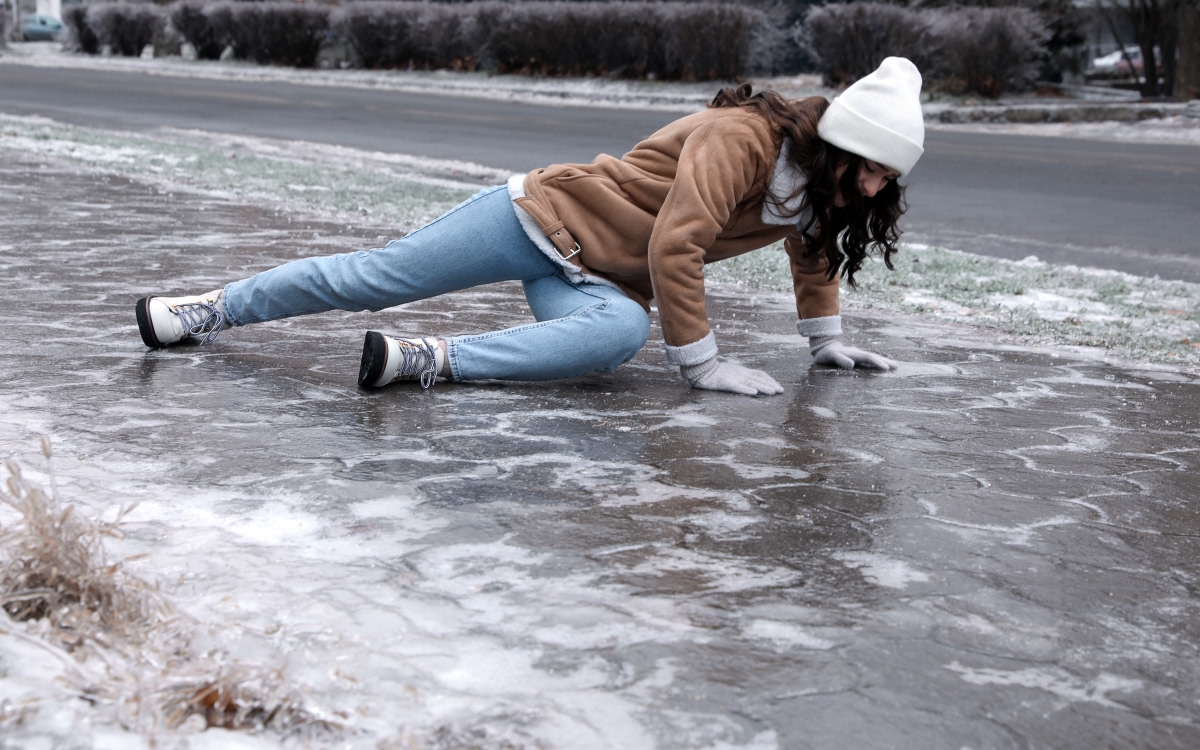
One moment you’re walking through a grocery store, entering a restaurant, or crossing a parking lot. The next moment, you’re on the ground, pain shooting through your back, hip, or wrist. Your life changes in an instant because someone else failed to maintain safe conditions on their property.
Slip and fall accidents are the second leading cause of accidental death in the United States, accounting for 15% of all accidental fatalities. Over 1 million people visit emergency rooms each year after slipping, tripping, or falling on someone else’s property. These aren’t minor accidents, they cause broken bones, traumatic brain injuries, spinal cord damage, and permanent disabilities that change lives forever.
In Massachusetts, property owners have a legal duty to maintain reasonably safe conditions for everyone who enters their property. When they fail to clear ice and snow, fix broken stairs, clean up spills, repair uneven flooring, or provide adequate lighting, they can be held liable for the injuries you suffer.
Whether you fell in a Framingham grocery store, on an icy sidewalk, in a restaurant bathroom, down defective stairs in an apartment building, or anywhere else on someone else’s property, you have rights. We’re here to protect them.
WHAT ARE THE MOST COMMON CAUSES OF SLIP AND FALL ACCIDENTS IN MASSACHUSETTS?
Understanding how slip and falls happen is the first step toward proving property owner liability and recovering compensation.
- Ice and Snow (The #1 Cause in Massachusetts)
Massachusetts winters mean months of slip and fall danger:
Uncleared Sidewalks
- Property owners failing to shovel after snowstorms
- Sidewalks left icy for days or weeks
- Inadequate ice melt or sand application
- Black ice forming overnight after daytime melting
Parking Lot Hazards
- Unplowed parking spaces and driving lanes
- Ice patches from melting and refreezing snow piles
- Inadequate drainage causing ice dams
- Missing or inadequate sand/salt treatment
Building Entrances
- Icy steps and ramps leading to doors
- Snow and ice tracked inside creating wet, slippery floors
- Missing or worn entrance mats
- Lack of warning signs about slippery conditions
Important Legal Change: Before 2010, Massachusetts followed the “natural accumulation rule”, property owners weren’t liable for naturally fallen snow and ice. The Papadopoulos v. Target Corp. decision eliminated this defense. Now, property owners must remove ALL snow and ice within a reasonable time, regardless of how it accumulated.
Municipal Snow Removal Requirements:
- Boston: Businesses must clear within 3 hours after snow stops; residents within 6 hours after sunrise
- Worcester: 10-12 hours to clear snow
- Framingham: Check local ordinances for specific requirements
- Wet and Slippery Floors
Interior floor hazards cause thousands of falls:
Grocery Stores
- Spilled liquids in aisles (produce, beverages, cleaning products)
- Wet floors from refrigerator leaks and condensation
- Produce department water spray creating puddles
- Freshly mopped floors without warning signs
- Melted ice from seafood departments
Restaurants and Bars
- Kitchen grease tracked into dining areas
- Spilled drinks not cleaned promptly
- Wet bathroom floors
- Condensation near ice machines and beverage stations
Retail Stores
- Recently mopped floors
- Tracked-in rain and snow during bad weather
- Product spills not immediately cleaned
- Waxed floors without proper warning
Building Lobbies and Common Areas
- Wet floors from tracked-in rain and snow
- Freshly cleaned floors
- Leaking roofs and windows
- Inadequate entrance mats
- Uneven Flooring and Surfaces
Tripping hazards from poor maintenance:
Broken or Uneven Pavement
Torn or Bunched Carpeting and Rugs
Height Differences and Lips
- Defective Stairs and Handrails
Stairway accidents often cause the most serious injuries:
Broken or Loose Steps
Missing or Defective Handrails
Poor Lighting
- Inadequate Lighting
Darkness hides hazards and causes falls:
- Cluttered Walkways and Obstructions
Objects in walkways create tripping hazards:
Retail Stores
- Merchandise blocking aisles
- Boxes left in walkways during stocking
- Display stands placed in traffic flow
- Extension cords stretched across floors
Parking Lots and Sidewalks
- Debris not cleared
- Shopping carts left in walkways
- Construction materials or equipment
- Signage and barriers blocking paths
- Defective or Missing Warning Signs
Property owners must warn of hazards:
- No “Wet Floor” signs after cleaning
- Missing “Caution: Slippery When Wet” notices
- Lack of warning about uneven surfaces
- No alerts about steps or elevation changes
- Missing notices about ongoing maintenance or repairs
- Building Code Violations
Many slip and falls result from code violations:
- Stairs with incorrect riser heights or tread depths
- Missing or inadequate handrails
- Insufficient lighting levels
- Improper drainage systems
- Failure to maintain required slip-resistant surfaces

WHO IS LIABLE FOR MY SLIP AND FALL ACCIDENT IN MASSACHUSETTS?
Determining liability is critical because it determines who pays for your injuries. Premises liability law in Massachusetts creates specific duties for property owners and managers.
Property Owners
The primary party is usually liable for slip and fall accidents. Massachusetts law requires property owners to maintain property in reasonably safe condition.
The level of care owed depends on your legal status when injured:
Invitees (The Highest Duty Owed)
- Customers in stores and restaurants
- Business visitors
- Guests at hotels
- Patients at medical offices
- Anyone invited for business purposes
Property owner must actively inspect, discover, and fix hazards
Licensees (Moderate Duty)
- Social guests
- Door-to-door salespeople
- Anyone with implied permission to be there
Property owner must warn of known hazards but doesn’t have duty to inspect
Trespassers (Minimal Duty)
- People without permission to be on property
- Generally owed no duty except to avoid willful or reckless harm
Exception: Attractive nuisance doctrine protects trespassing children
Landlords and Property Managers
Multi-family housing creates shared liability. Landlords Are Responsible For:
- Common areas (hallways, stairways, parking lots)
- Sidewalks adjacent to property
- Building entrances and exits
- Shared laundry facilities
- Building exterior maintenance
Important: Even if a lease requires tenants to shovel snow, landlords remain liable for slip and falls on ice and snow. The 2010 Papadopoulos decision made clear that lease provisions don’t eliminate the landlord’s ultimate duty to ensure safety.
Retail Stores and Businesses
Commercial property owners have heightened duty. Stores Must:
- Conduct regular floor inspections (many use written “sweep logs”)
- Clean up spills immediately
- Maintain adequate lighting
- Keep aisles clear of merchandise and obstacles
- Provide warning signs for hazards
- Train employees on safety procedures
- Clear snow and ice from entrances and parking lots
Restaurants and Bars
Food service establishments have specific risks:
- Kitchen grease tracked into dining areas
- Spilled food and beverages
- Wet bathroom floors
- Icy entryways in winter
- Inadequate lighting
- Overserved customers falling (Dram Shop implications)
Snow Removal Contractors
If a property owner hires a snow removal company, the contractor may be liable if:
- They cleared snow negligently (creating hazards rather than removing them)
- They failed to apply adequate ice melt or sand
- They created dangerous ice ridges or piles
- They left walkways in worse condition than before clearing
Important: Property owners remain ultimately responsible even if they hire contractors.
Municipalities (Cities and Towns)
Claims against government entities face special rules. Municipalities Can Be Liable For:
- Defective public sidewalks they own
- Icy conditions on public property
- Poor lighting on public walkways
- Broken stairs in public buildings
CRITICAL NOTICE REQUIREMENTS:
- Under M.G.L. c. 84, § 18-21, you must provide written notice within 30 days of injury
- Failure to provide notice can bar your entire claim
- Different rules apply for state vs. municipal property
However: Under M.G.L. c. 84, § 17, cities and towns are NOT liable for injuries from snow or ice on public ways if the place where the accident happened was otherwise reasonably safe and convenient for travelers.
We Understand Massachusetts Premises Liability Law
Many personal injury lawyers don’t specialize in slip and fall cases, and it shows in their results. We understand:
- The 2010 Papadopoulos v. Target decision and how it changed Massachusetts law
- Snow and ice liability standards and municipal ordinances
- Comparative negligence arguments and how to minimize your fault percentage
- Property owner inspection duties and constructive notice standards
- Building code violations that establish negligence
- Expert witness requirements for complex cases
Serving Framingham and All of Massachusetts
Our office is located at 340 Union Ave # 1, Framingham, MA 01702, centrally positioned to serve slip and fall victims throughout Massachusetts:
- MetroWest: Framingham, Natick, Marlborough, Ashland, Sudbury, Wayland
- Worcester County: Worcester, Shrewsbury, Auburn, Milford
- Greater Boston: Boston, Cambridge, Somerville, Newton, Waltham
- North Shore: Lawrence, Lowell, Haverhill
- South Shore: Brockton, Plymouth, Taunton, Quincy
No matter where your slip and fall occurred in Massachusetts, we can help.
No Fees Unless We Win
We work on a contingency fee basis:
- Typically 33⅓% if settled before trial
- 40% if trial is necessary
- No upfront costs: We advance all case expenses
- No recovery = No fee: If we don’t win, you owe us nothing