
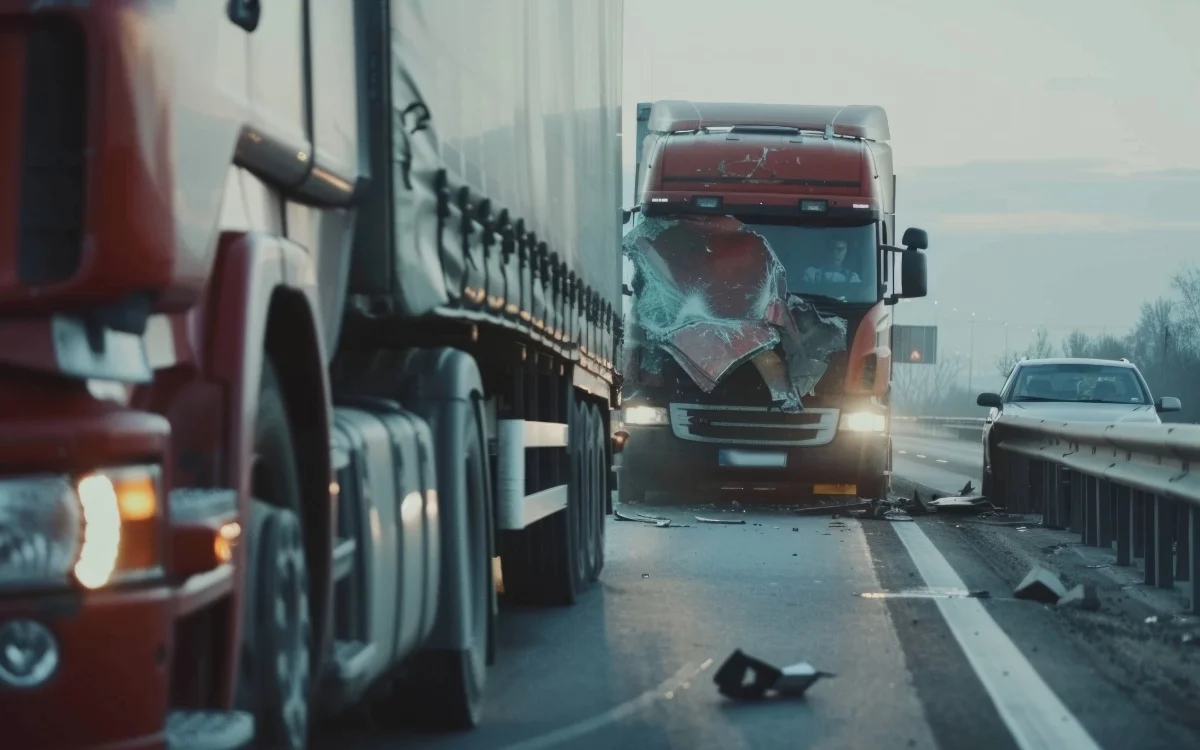
Being involved in a truck accident is nothing like a regular car crash. The sheer size and weight of commercial trucks, often weighing 80,000 pounds when fully loaded, means that collisions with passenger vehicles frequently result in catastrophic injuries or death. If you or someone you love has been injured in a truck accident in Framingham or anywhere in Massachusetts, you’re facing not just physical recovery, but also a complex legal battle against powerful trucking companies and their insurance providers.
At Foglia & Associates, we’ve spent over 25 years representing truck accident victims and their families throughout Massachusetts. We understand the unique challenges of truck accident cases, the federal regulations, the multiple liable parties, the aggressive insurance defense tactics, and the devastating injuries that often result from these collisions. You need an experienced truck accident attorney who knows how to investigate these cases, preserve crucial evidence, and fight for maximum compensation.
What Are the Most Common Causes of Truck Accidents in Framingham?
Studies show that being awake for 18 hours impairs driving ability as much as a blood alcohol content of 0.05%, and many truck drivers operate while even more sleep-deprived.
Understanding why truck accidents happen is crucial to proving liability and holding negligent parties accountable. Based on FMCSA data and our experience handling hundreds of truck accident cases, these are the most common causes:
Driver Fatigue and Hours of Service Violations
- Pressure from trucking companies to meet unrealistic delivery deadlines
- Falsification of paper logbooks (though electronic logging devices have reduced this)
- Incorrect interpretation of exceptions to hours-of-service rules
- Financial incentives that reward drivers for faster deliveries
Distracted Driving
Truck drivers face unique distraction challenges during long hauls:
- Cell phone use (calling, texting, or using apps)
- CB radio operation
- GPS programming
- Eating meals while driving
- Reading or looking at dispatch paperwork
- Reaching for items in the cab
Speeding and Aggressive Driving
Speed limits exist for good reason, but they’re especially important for trucks due to physics. A fully loaded truck traveling at highway speed requires 40% more distance to stop than a passenger car.
Massachusetts has seen numerous fatal truck accidents on Route 9, I-90 (Massachusetts Turnpike), I-495, and Route 20 where speed was a contributing factor.
Improper Maintenance and Mechanical Failures
Federal regulations require regular inspections and maintenance of commercial trucks.
Overloaded or Improperly Loaded Trucks
Federal law limits truck weight to 80,000 pounds on interstate highways, but trucking companies sometimes exceed these limits to maximize profits.
Inadequate Driver Training
Not all truck drivers are equally skilled or experienced. Some trucking companies rush drivers through training to get them on the road faster.
Driving Under the Influence
Although drug and alcohol testing is required for commercial drivers, violations still occur. The legal limit for commercial drivers is 0.04% BAC, half the limit for passenger vehicle drivers, and any positive drug test should disqualify a driver. Some truck drivers use stimulants to stay awake during long hauls, which can impair judgment and lead to aggressive driving.
Poor Weather Conditions
Massachusetts weather presents unique challenges for truck drivers, snow, ice, rain, and fog reduce visibility and road traction. While bad weather doesn’t excuse negligence, truck drivers have a duty to slow down, use extra caution, and pull over if conditions become too dangerous. When drivers push through hazardous conditions to meet deadlines, they put everyone on the road at risk.
Blind Spots (“No-Zones”)
Large trucks have significant blind spots on all four sides.

How Much Is My Truck Accident Case Worth in Massachusetts?
This is one of the first questions truck accident victims ask, and it’s understandable, you’re facing medical bills, lost wages, and an uncertain future. The value of your truck accident case depends on multiple factors unique to your situation.
Medical Expenses: This includes all past and future medical costs related to your truck accident injuries:
- Emergency room treatment and ambulance transport
- Hospital stays and surgeries
- Doctor appointments and specialist consultations
- Physical therapy and rehabilitation
- Prescription medications
- Medical equipment (wheelchairs, walkers, home modifications)
- Future medical care for permanent injuries
- Home health care or nursing care
In severe truck accident cases, lifetime medical expenses can easily exceed $5-10 million or more.
Lost Wages and Lost Earning Capacity: You’re entitled to compensation for income you’ve lost and will lose in the future:
- Wages lost while recovering from injuries
- Lost overtime and bonuses
- Lost benefits (health insurance, retirement contributions)
- Reduced earning capacity if you can’t return to your previous career
- Loss of future promotions and career advancement
If your injuries prevent you from working at all, you can recover the full value of your lost lifetime earnings, which for a younger worker can easily exceed $2-3 million.
Property Damage: Your vehicle was likely totaled in the truck accident. You’re entitled to:
- The fair market value of your vehicle if totaled
- Repair costs if repairable
- Diminished value (the reduced value of a repaired vehicle)
- Rental car expenses while your vehicle is being replaced
- Personal property destroyed in the accident
Non-Economic Damages (Subjective Losses)
Non-economic damages compensate you for losses that don’t have a clear dollar value but significantly impact your life:
Pain and Suffering: Physical pain and discomfort from your injuries, both current and ongoing.
Emotional Distress: The psychological impact of the accident and injuries.
- Anxiety, depression, and PTSD
- Loss of enjoyment of life
- Inability to participate in hobbies and activities you loved
- Strain on relationships with family and friends
- Loss of independence and dignity
Disfigurement and Scarring: Permanent visible scars or disfigurement that affects your appearance and self-esteem.
Loss of Consortium: If you’re married, your spouse can recover damages for the loss of companionship, affection, and intimacy resulting from your injuries.
Punitive Damages (In Rare Cases)
Massachusetts allows punitive damages only in limited circumstances when the defendant’s conduct was willful, wanton, or reckless. If the trucking company knowingly violated safety regulations, forced drivers to violate hours-of-service rules, or engaged in particularly egregious conduct, punitive damages may be available to punish the wrongdoer and deter similar conduct in the future.